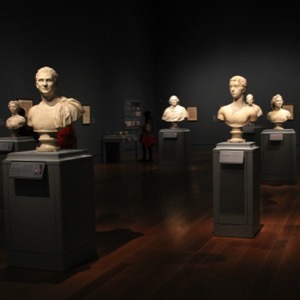
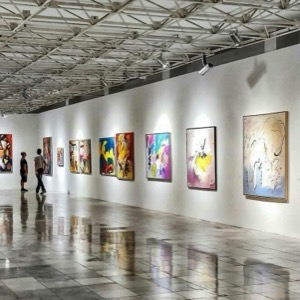
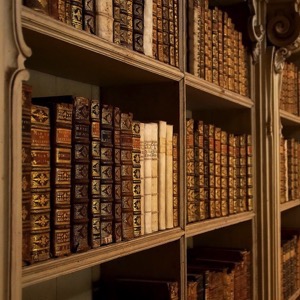
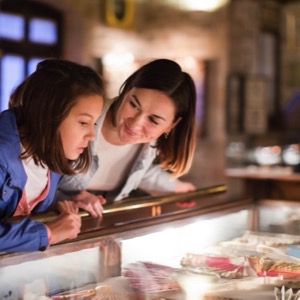
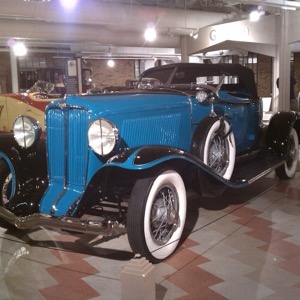
We operate a museum with a permanent exhibition of archaeology, viticulture and winemaking. We organize exhibitions, accompanying programs or social and cultural events. We offer rental of rooms for conferences, balls, congresses, banquets and more. We are the seat of the Regional Museum in Mikulov.
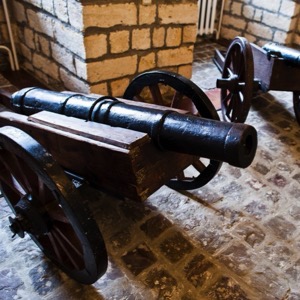
In addition to a variety of uniforms, weapons and equipment, the museum displays a large number of photographs and documents depicting the turbulent times on the frontier. A reconstruction of the Iron Curtain, or an actual cell, is certainly of interest.
The Upper Synagogue is the only preserved synagogue in Mikulov out of the original twelve. It was built in 1450. After a fire in 1719 it underwent extensive reconstruction. It is a Polish-style synagogue. During and after World War II it served as a warehouse. It was restored to its former appearance in 2014.
We run exhibitions introducing visitors to the development of the vegetable, fruit and wine growing industry as technology evolves. We organize short-term exhibitions, prepare accompanying and educational programs for children and school children. We rent rooms for social events.
In our museum you can see how a teddy bear was made, a doll that survived the Dresden bombing, or just reminisce in a room full of retro toys. In our museum, we present many stories of toys from the 19th and 20th centuries. You can come and be enchanted by nostalgia.
You can go back in time and visit Lednice of old and see how life was in the time of Taticek Masaryk. In the exhibition you can see a sample of a town household, a street with a café, a barber shop, a gendarmerie, a tailor shop or a millinery.
The museum exhibition focuses both on the period before 1945, when the winemaking was mainly carried out by German-speaking inhabitants, and on the period after World War II, when the newly arrived Czech settlers took over this activity.
Let yourself be amazed by the diversity of Pálava's nature. Discover how people have shaped the landscape of Pálava for thousands of years. Discover how research, science and the experience of local people have helped to protect Pálava's nature.