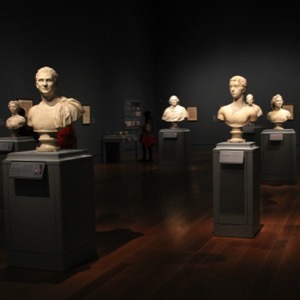

The museum traces the development of amateur theatre in the Czech Republic. The exhibition is located in four halls of the Miletín Chateau. In the museum you will see a unique collection of painted curtains, models of characters from selected productions, enter the stage and try to operate basic theatrical technical equipment.
The family house of the writer Karel Jaromír Erben houses his memorial, founded in 1811. The interior consists of period furniture, family heirlooms and watercolours to Erben's ballads by R. Švajdler.
You can go back in time and take a peek into your past as well as that of your grandparents and great-grandparents. If you're a lover of toys and everything that goes with childhood, this trip tip is for you.
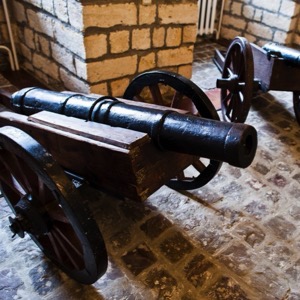
The War of 1866 Museum is a department of the Museum of East Bohemia in Hradec Králové. It is located near places of fundamental importance for the development of Europe in the second half of the 19th century. The museum is closed until July 2026 for the reconstruction of the permanent exhibition. Information about the summer programme on the website.
The memorial is located on the memorial grounds of a former Nazi execution site. During the second martial law in 1942, 194 victims lost their lives here. The exhibition combines authentic objects with multimedia content. In addition to personal stories, it is possible to get acquainted with unique archival documents.
A permanent exhibition in the cultural centre building offers a glimpse of the film and book-like prehistoric scenery that became a common element in the life and work of E. Storch and K. Zeman.
Prehistoric Archaeopark is for the general public, families, school trips, tourists and those interested in archaeology. The aim is to introduce visitors to life in prehistoric times through so-called living archaeology.
The museum is named after its founder Dr. Antonín Frič, a paleontologist, geologist and professor of zoology at Charles University, who was treated at the local spa. Here you will find natural curiosities and natural history exhibits. The museum is currently closed to the public.
Between 1626 and 1628, Jan Amos Komenský hid with other persecuted people in a defunct chateau in Bílá Třemešné before he went into exile in Poland. A memorial hall has been located on private land here since 1958 and was relocated in 2024.
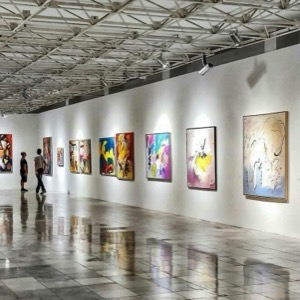
The chateau orangery is a unique space that comes alive especially during occasional exhibitions. During the season, visitors can enjoy a variety of exhibitions ranging from historical displays to contemporary art to special cultural projects.