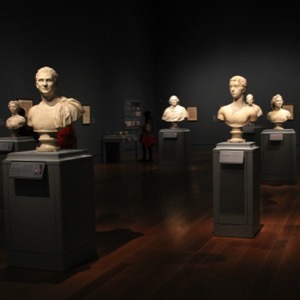
The monastery in Police nad Metují is an exhibition of the Náchod Museum, where you can see a sample of the abbot's apartment and a modern audiovisual exhibition.
The museum focuses on the history of the production of electric sheet metal trains not only in Police nad Metují, but also in the whole Czechoslovakia and the world. In the museum's exposition you can see more than 600 historical and modern models of locomotives, carriages and accessories to the model railway of size 0.
We operate the Merkur Construction Set Museum. Visitors can learn about the history of Merkur construction set production and view the historic machines used to manufacture the parts, period documentation, packaging designs for the construction sets, and source materials used to create the instruction manuals.
The exhibition focuses on the childhood of the Čapek siblings, who used to visit their grandparents at the mill. The local environment became an inspiration for them to write a number of fairy tales. In addition to the Čapek siblings, during the tour you will also meet other important personalities connected with Hronov.
Jirásek's family house in Hronov is an example of traditional folk architecture from the late 18th century. The writer Alois Jirásek was born here in 1851.
The Jirásek Museum in Hronov is located in the theatre building on the square. The exposition is dedicated to important Hronov natives and the theatre industry.
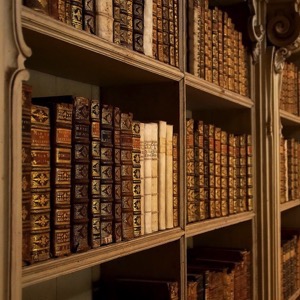
The Museum of Broumov Region was founded in 1945 as a centre for the patrimonial work of the then Broumov district. Since 1980, it has been housed on the 1st floor of the Abbey wing of the Benedictine monastery, where a permanent exhibition called "History of Broumov and Broumov Region" was installed ten years later.
Tours of the Bohumír Mine. The mine has been in operation since the 19th century. Mining was interrupted several times until it was stopped in 1965. A tour is open to visitors, which leads to the lower floor of the Bohumír mine and to the former engine room.
The exposition introduces visitors to the history of climbing in the region, and the development of belay techniques, equipment, saddles and shoes can be seen.