The museum was opened on 1 July 2014. There are photographs and objects relating to the pre-war and post-war history of the village, the local castle, the brewery, as well as the everyday life of the local inhabitants.
Operation of a museum of washing machines. Visitors can see a collection of approximately 160 pieces of washing machines from 1850-1950. The washing machines come from the Czech Republic as well as Austria, Germany and France. There are also necks, rollers and wringers on display.
Visitors can see game exhibits from all continents in the museum. But most attention is paid to Africa, its animals and culture. The museum also has a collection of songbird specimens.
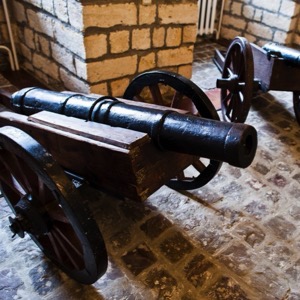
The museum collects objects mainly from the period of socialist Czechoslovakia. In several rooms we can see a lot of different and interesting things from period furnishings to military or hunting equipment to historical photos.
Offering an exhibition of bentwood and antique furniture. We organize exhibitions, lectures and events. You will find mainly sofas, chairs, rocking chairs and sofas, tables and beds.
Historic rural building where wire and various agricultural tools were produced. In the residential building there is an exposition of forestry. Guided tours are offered in the building.
We operate a visitor centre and a café of Tourist Stamps. Tourists can see the complete collection of Tourist Stamps and stickers here, or buy them according to the rules of the collector's game. In the café we prepare a selection of coffee, bake pastries, mix drinks and other goodies.
We operate a museum. We offer a permanent exhibition dedicated to the history of the town. We organize various exhibitions for schools, researchers and others.
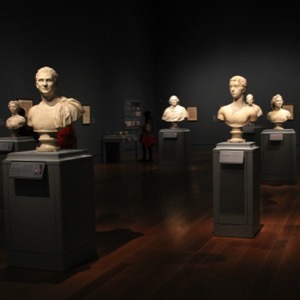
Operation of the city museum. It houses photographs and postcards from the pre-war and post-war periods, sculptures, maps, various documents and photographs of prominent residents of the village. The chronicle of Andělská Hora from the 16th century to the present is also available for viewing.
Exposition of folk architecture in Haná. The collection is a unique evidence of earthen folk architecture from the Haná region, which is represented mainly by 4 pallet barns from the first half of the 19th century and a complete Haná farmhouse with a residential and farm part from 1875, followed by gardens.
Hans Kudlich was born to Johann Kudlich and Eleonora Maria on 25.10.1823. The memorial hall was established in 1998 on the initiative of the Österreichische Hans Kudlich Komitee, under the leadership of the chairman Rudolf Vögler from Herrnbaumgarten.
In the museum you will find everything related to pitchforks, rednecks and redneckism. Currently, the museum has over 1,000 exhibits in several expositions. You can throw a pitchfork at a target. If you donate a pitchfork in any form and state of wear, you will receive the title of a hillbilly with a certificate.