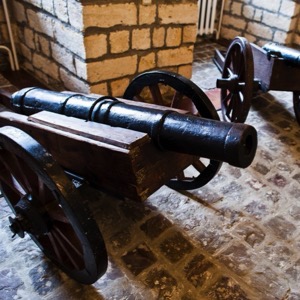
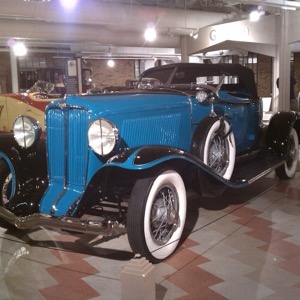
We collect technical items related to the local area. We concentrate on military and historical technology, woodworking equipment, caving and mining. There is a campground for tents and RVs on the museum grounds.
In the premises of the former convent of the Augustinian monastery there is a permanent exhibition of museum collections of regional importance. There is a collection of porcelain, faience and pewter utensils, guilds and crafts, personalities and culture of the Lesser Haná, the story of the Jewish quarter in Jevíček and more.
We operate a cartographic center that offers map and surveying exhibitions. The exposition deals with the development of cartographic representation of Bohemia, Moravia and Silesia. The central exhibit of the cartographic centre is a relief map of the historical lands of Moravia and Silesia.
The museum continues the tradition of the local museum association, which was founded in 1905. It provides professional research and collection activities, especially in the fields of archaeology, history and ethnography.
The exposition of the museum presents steam locomobiles, tractors, stable engines produced in Czech, Moravian and world factories. The largest exhibit is a twenty-eight ton steam plough.
Visitors have the opportunity to see samples from the surface of the earth as well as from a depth of 4 km in one place. Minerals from all five continents are dominated by exhibits from the nearby Bohemian-Moravian Highlands. However, the discovery of heliodor, a variety of beryl, in Rožná is absolutely unique.
The synagogue is operated by the Museum of the Boskovice Region. It is a baroque building from 1639 with later modifications. Its vaults are decorated with Hebrew liturgical texts. The tour includes an exposition of the History of Jews in Boskovice and the possibility to visit the Jewish ritual bath - mikveh.
The museum exposition in three rooms on the first floor of the building shows the richness of the forms of Jewish quarters in our country, the historical reasons for their creation, the reasons for their location and situating, their typical manifestations in terms of urban, architectural and functional aspects.
The museum tells the history of machine lace. In the museum you will find a unique collection of technical curtain designs and lace patterns, covering the period from the end of the 19th century to the present day.
We offer tours of a declassified bunker from the 1970s. The former military facility served as a strategic telephone exchange. It used to house communications cables. The flagship cable was designed to carry up to 1,920 calls at a time and provide communication between Warsaw Pact countries in wartime. The building was top secret.