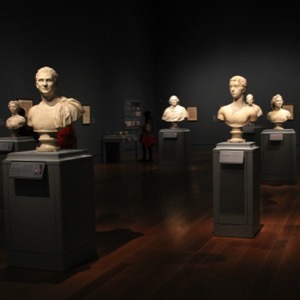
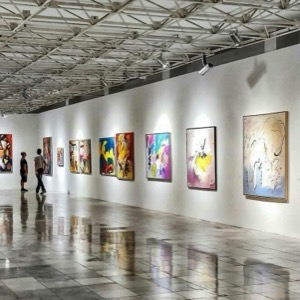
We run a museum with an exhibition of folk art and shoemaking, which was the most widespread craft in Bystrý in the 19th century. The exhibition also includes a painting by the Venezuelan painter Maica Gonzales, who donated it to the town.
The museum depicts the life of small artisans during the 19th century. Today you will see the dwellings of a weaver, a toy maker and a factory worker with a shoemaker's workshop. Since the end of 2018, the museum is part of the National Museum of Nature.
We operate a museum and exhibition hall. We offer a permanent exhibition Hall of Natives with the history of Jimramov, Life in the Highlands with a nativity scene and an exhibition The Life and Work of Jan Karafiát with a new sculpture based on the motifs of the Beetles.
Exposition of the history of washing techniques and photo gallery Svitavská stops. Permanent exhibition of Oskar Schindler. The museum also has exhibition panels dedicated to local architectural gems of family housing.
We operate a museum of the international language Esperanto. The exhibition maps the history and present of the Esperanto movement in the Czech Republic and abroad. There are exhibition panels, book displays, multimedia documents on the computer and also on an interactive touch screen.
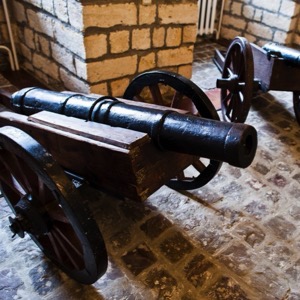
The museum seeks to present a vanished image of the countryside and revive its image. The exhibition is divided into several parts. One of the displays shows a cross-section of historical documents from the turn of the 18th and 19th centuries. There are also historical exhibits from the 19th and 20th centuries up to the establishment of the Czechoslovak Socialist Republic.
The museum has two parts in the first part there are photographs and objects related to the history of the village and its surroundings, mining activities (especially graphite mining) and the later development of industrial production.
The Schindler's Ark was a concentration camp in which 1,200 Jews from Schindler's List were rescued, as mentioned in Stephen Spielberg's film. Schindler's Ark was stolen by the Nazis from the Low-Beer family in 1938.
The exhibition focuses on the development of the local landscape and nature through the ages. It presents the area before the arrival of man, during the medieval colonization, the development of local industry, collectivization, but also a look into the future. The aim of the nature houses is to introduce visitors to the area in all its aspects.