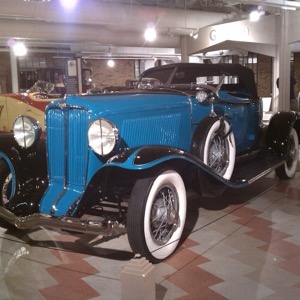
We operate a private museum dedicated to Škoda cars. The exhibition focuses on exceptional vehicles—from race cars and prototypes to commercial models and government limousines. It is the largest private collection of Škoda cars in the Czech Republic.
A unique museum of the family company SIKO, which will immerse you in the story of building a billion-dollar business. Exclusive photo gallery from the Val family's private life, panoramic cinema with the story of building the American dream in Czech conditions, how the bathrooms looked like in the first SIKO stores 30 years ago.
An exhibition of village buildings in the Central Povltava region from the mid-18th to the early 20th century. Regular events, including Craft Day and various exhibitions.
The exposition was created on the occasion of the 555th anniversary of brewing in Vysoké Chlumec, following the interruption of beer production so that the legacy of our ancestors who honoured this craft would not be lost.
The permanent exhibition includes, among other things, historical artefacts found during archaeological research or the rarest clothes for the love statue of the Virgin Mary. Please keep an eye on our website for the latest exhibitions.
Operation of the Museum of Victims of Communism and History of Uranium Mining. Former prisoner of war camp serving as a museum of victims of communism. The exhibitions introduce the persecution after February 1948, the anti-communist resistance and the history of uranium mining.
The memorial is dedicated to the personality and work of Karel Čapek, Olga Scheinpflug and Ferdinand Peroutka. We organize guided tours for schools. There is also an educational trail of Karel Čapek. In the museum and bistro you can pay in cash and by card.
Operation of the exhibition hall. Offer of film screenings and exhibitions focused on the Sedlčany region - prehistoric, medieval and modern times, ethnography and personalities of Jakub Krčín and composer Josef Suk. A tour of the Gothic cellar area. Refreshments are available to visitors of the museum.
Rural exhibition on the theme of the life of the villagers of the Central Povltava region in the 19th to 20th centuries. The archaeological part of the exposition presents the earliest history of the region connected with gold mining and processing.
The memorial was built on an authentic site where the so-called gypsy camp operated in 1942 and 1943. Entire families of Czech Roma and Sinti were forcibly concentrated here before being transported to Auschwitz II Birkenau. The memorial offers visitors an indoor and outdoor permanent exhibition on the history of the site.