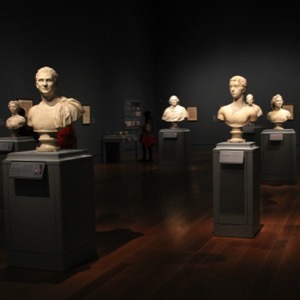
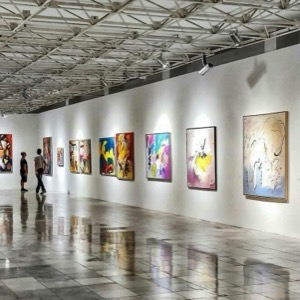
We run a devil themed museum. We offer performances and exhibitions. The museum is located in the Gothic underground, in a place where real devils have been proven to exist. There is also an exhibition of wooden sculptures by the Stejný couple or prints and illustrations of devils by Karel Franta.
We offer railway-themed exhibitions such as a transport office with period equipment, an exhibition of stage coaches, signalling equipment, passenger waiting room, railway lights and other exhibitions. From April to October, on weekends and holidays, museum trains run regularly from Ústí n/L-Střekov station.
Exposition of folk architecture. The youngest open-air museum in Bohemia, its foundation is an old historical village in the lap of the hills of the Bohemian Central Highlands.
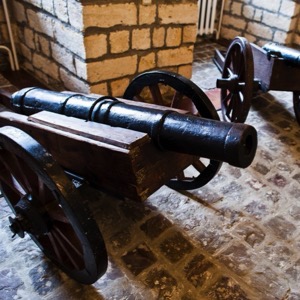
This part of the Terezín fortress system from the end of the 18th century served as a prison already in the times of the Habsburg monarchy. Among the prisoners at that time was, for example, Gavrilo Princip, the main executor of the assassination of the heir to the throne, F.F. d'Este, in Sarajevo in 1914.
Operation of a museum of cars and motorcycles from the socialist era, mainly from the period 1960-1990. You can find here Trabant, Wartburg, Skoda, Tatra, Dacia, Lada, Moskvich.
Exposition of a papermaking workshop with a demonstration of traditional handmade paper production. The exhibition The Story of Paper presents the history and present of paper production. We offer excursions and workshops for schools and the public as well as the sale of handmade paper products.
The permanent exhibition of the museum is not currently accessible, it is in the preparation phase. Visitors can, however, see the exhibition Houses Tell - the Architecture of Litoměřice, view the interiors of the old town hall or browse through an exhibition on its history and reconstruction in the arcade and courtyard of the museum.
During World War II, this building was a home for Jewish boys (10-15 years old). Nowadays there is a museum with an exhibition about the history of the ghetto and the persecution of Jews in the Protectorate of Bohemia and Moravia. Part of the exhibition is dedicated to the youngest victims of the ghetto.