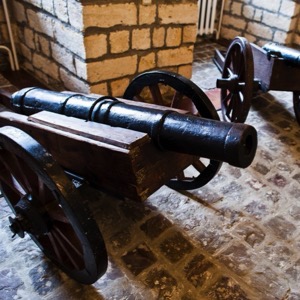
This part of the Terezín fortress system from the end of the 18th century served as a prison already in the times of the Habsburg monarchy. Among the prisoners at that time was, for example, Gavrilo Princip, the main executor of the assassination of the heir to the throne, F.F. d'Este, in Sarajevo in 1914.
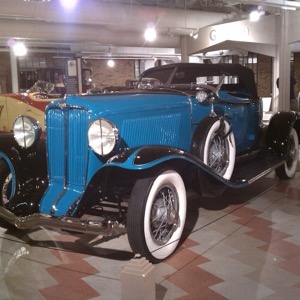
Operation of a museum of cars and motorcycles from the socialist era, mainly from the period 1960-1990. You can find here Trabant, Wartburg, Skoda, Tatra, Dacia, Lada, Moskvich.
The family home of the poet Joseph Hora houses an exhibition of family photographs, furniture, paintings and drawings by his siblings, family books and writings, references to the poet's work, posters and texts of events on the poet's anniversaries.
One of the main goals of the whole project is to promote the fortress in a popular way. The visitor should get to know it as a living and functioning entity.
We run a museum in the courtyard of the Cavalier 2 building, which displays everyday products mainly from 1945-1990. Here, everyone can find at least one thing they had at home and reminisce. Here you will find complete furnishings for the home, shop, workshop and even an old barn with many a forgotten treasure.
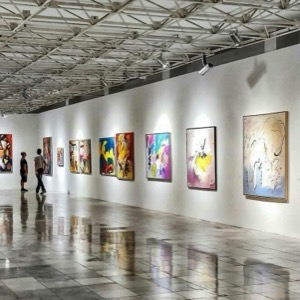
The museum is located in the building of the former Magdeburg Barracks, which served as the headquarters of the so-called Jewish Self-Government during the ghetto era. Today, this building houses extensive exhibitions presenting to the public the unique artistic, musical, literary and theatrical works of the ghetto inhabitants.
During World War II, this building was a home for Jewish boys (10-15 years old). Nowadays there is a museum with an exhibition about the history of the ghetto and the persecution of Jews in the Protectorate of Bohemia and Moravia. Part of the exhibition is dedicated to the youngest victims of the ghetto.
In the building of the former municipal weighing scale there is a permanent exhibition dedicated to the deportations of Jews to Terezín and the deportations from the Terezín ghetto to the labour camps and especially to the extermination camps. The exhibition is not open all the time and can only be visited by appointment.
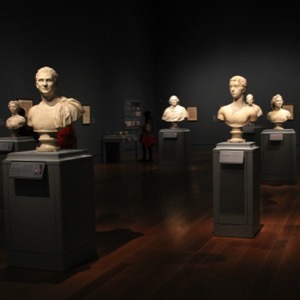
Discover the forgotten story of the town and the fortress. Explore fortification models, historical plans, paintings and centuries-old finds that will show you this city full of life and the fate of specific people. The local museum will guide you through the story of the fort from its founding to the early 20th century.
Historical development of Roudnice n. L. and its surroundings, natural history of Podřipsko and moving diorama Mechanical Říp. Possibility to buy souvenirs.