In the building of the municipal office and cultural house there is a small rural museum, which introduces the life in the village in the 19th and 20th centuries.
The memorial shrine commemorates the honeymoon of Bedřich Smetana and his second wife, Betty Ferdinandi, when they spent several days at Kamýk. The composer liked the local landscape, which is also evident from his drawings, which visitors can see in the little world.
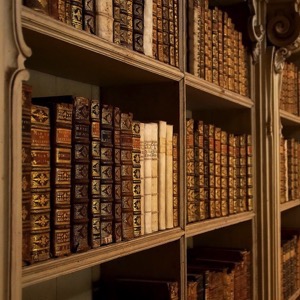
We operate a literary museum. We provide protection of museum collections. We carry out scientific research. We acquire, permanently preserve, process and make accessible collections of documents on the development of literature in the Czech lands.
Discover the forgotten story of the town and the fortress. Explore fortification models, historical plans, paintings and centuries-old finds that will show you this city full of life and the fate of specific people. The local museum will guide you through the story of the fort from its founding to the early 20th century.
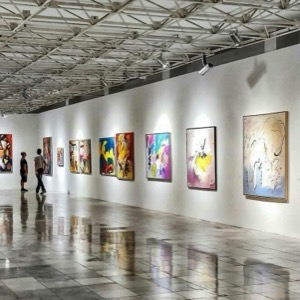
The North Bohemian Art Gallery in Litoměřice manages and makes accessible collections of Czech art. It focuses on the period from the 14th century to the present day and on insite art. The collections are professionally processed, preserved and presented in its own exhibitions. The exhibition programme is held in three buildings in Litoměřice.
In the building of the former municipal weighing scale there is a permanent exhibition dedicated to the deportations of Jews to Terezín and the deportations from the Terezín ghetto to the labour camps and especially to the extermination camps. The exhibition is not open all the time and can only be visited by appointment.
You can touch the greats including Steven Seagal, Ringo Star, Anastacia, Jaromir Jagr, Ennio Morricone, Václav Havel, Elijah Wood, Tom Finney, Dominik Hašek, the band KISS and many more.
In an unused underground passageway under the town office, visitors will be reminded of the history of the Richard Limestone Mine, which was written in three periods. The exhibition traces the period of the limestone mine, the underground factory and the radioactive waste repository.
During World War II, this building was a home for Jewish boys (10-15 years old). Nowadays there is a museum with an exhibition about the history of the ghetto and the persecution of Jews in the Protectorate of Bohemia and Moravia. Part of the exhibition is dedicated to the youngest victims of the ghetto.
The permanent exhibition of the museum is not currently accessible, it is in the preparation phase. Visitors can, however, see the exhibition Houses Tell - the Architecture of Litoměřice, view the interiors of the old town hall or browse through an exhibition on its history and reconstruction in the arcade and courtyard of the museum.
We run a museum in the courtyard of the Cavalier 2 building, which displays everyday products mainly from 1945-1990. Here, everyone can find at least one thing they had at home and reminisce. Here you will find complete furnishings for the home, shop, workshop and even an old barn with many a forgotten treasure.