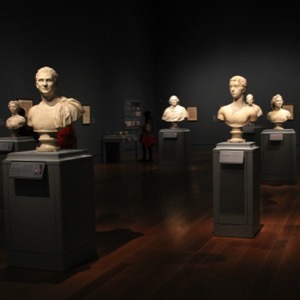
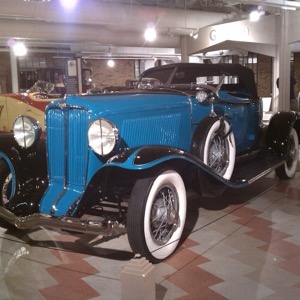
In the building of the municipal office and cultural house there is a small rural museum, which introduces the life in the village in the 19th and 20th centuries.
The museum was founded in 2026 by the Sulejovice municipal government in collaboration with local and neighboring collectors. Our goal is to document, preserve, and showcase the rich history of brickmaking through a unique collection of various brick products.
A place for both fun and work. A museum of horseshoes and hand tools for shoemakers, saddlers, bagmakers, and upholsterers. A workshop for woodworking classes. The Truhlárna Music Club.
We provide natural history and historical exhibition, exhibitions and guided tours of the open-air museum. We offer publications and museum collections. Museum services are available for schools and the public. We carry out archaeological tracing, surveys and rescue excavations. We organize children's days at the Archaeological Open-Air Museum.
The new exhibition will link Dvořák's music with the genius of his birthplace. The innovative exhibition will present the environment of the Central Bohemian village as it looked in the mid-19th century, when Dvořák was growing up there. Great emphasis is placed on the sound and, of course, on the music.
The memorial shrine commemorates the honeymoon of Bedřich Smetana and his second wife, Betty Ferdinandi, when they spent several days at Kamýk. The composer liked the local landscape, which is also evident from his drawings, which visitors can see in the little world.
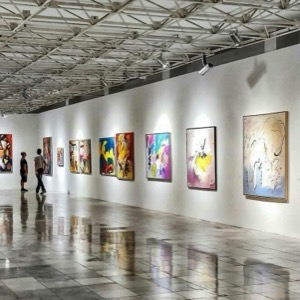
In the memorial you can visit the memorial area, the Memorial to Children Victims of War, the museum with a multimedia exhibition, the Rose Orchard, the Lidice Gallery with a unique collection of art and the Rose Orchard. We organise cultural and educational programmes, the International Children's Art Exhibition Lidice and short-term thematic exhibitions.
In the family house you will find a permanent exhibition presenting the post-war architectural development of Lidice and examples of period housing from the 1950s.
The museum was founded in 1888 and focused mainly on the history, history and folklore of the German population. Today it offers permanent exhibitions, exhibitions, professional and cultural events for the public, mainly focused on the history and nature of Most and its surroundings.
Permanent exhibition mapping the history of Duchcov and its surroundings. The history starts from the earliest times and includes an exhibition of archaeological findings from prehistoric times. The exposition also includes a presentation of historical film materials depicting the town of Duchcov.
Permanent exhibition mapping the history of Duchcov and its surroundings. The history starts from the earliest times and includes an exhibition of archaeological findings from prehistoric times. The exposition also includes a presentation of historical film materials depicting the town of Duchcov.
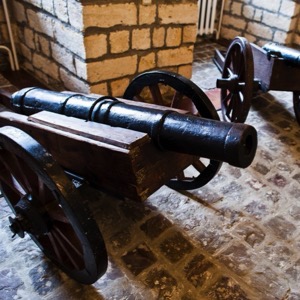
The exhibition contains many photographs, models of military equipment and aircraft, documents and three-dimensional objects documenting the events of World War II in the region.