Medieval mining complex. There is the Lehnschafter Adit, the Dear Lady Adit and the All Saints' Adit. You can choose a tour for fit visitors, a tour of all accessible parts of the adit or a route for less fit visitors and children.
The museum offers a permanent exhibition on the history and production of soap, an exhibition of soaps from around the world, the abode of the Soapmaker in the historic cellar and creative workshops.
We run a museum specialising in the archaeology and nature of north-west Bohemia, the history of the oldest baths, the production of pottery, porcelain and glass. We organize educational lectures. We enable wedding ceremonies in the premises of Teplice Castle.
Permanent exhibition mapping the history of Duchcov and its surroundings. The history starts from the earliest times and includes an exhibition of archaeological findings from prehistoric times. The exposition also includes a presentation of historical film materials depicting the town of Duchcov.
Permanent exhibition mapping the history of Duchcov and its surroundings. The history starts from the earliest times and includes an exhibition of archaeological findings from prehistoric times. The exposition also includes a presentation of historical film materials depicting the town of Duchcov.
The museum was founded in 1888 and focused mainly on the history, history and folklore of the German population. Today it offers permanent exhibitions, exhibitions, professional and cultural events for the public, mainly focused on the history and nature of Most and its surroundings.
Exhibition of exhibits relating to the history of the town of Chabařovice and its surroundings. The museum was opened in 1927. The exhibition shows individual panels depicting the original settlement, old trade routes, the town on old maps, the administrative structure since the 11th century and the town's coat of arms.
The Mining Museum in the grounds of a former underground mine offers an insight into underground and opencast mining techniques through exhibitions. The main aim of the museum is to show the public the history of coal mining and processing in the central part of the North Bohemian brown coal basin.
Operation of the museum of milling. A cultural monument since 1958. The building is undergoing sensitive renovation. Examples of traditional sheep wool processing.
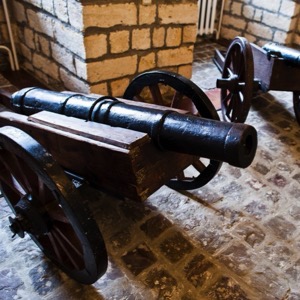
The exhibition contains many photographs, models of military equipment and aircraft, documents and three-dimensional objects documenting the events of World War II in the region.
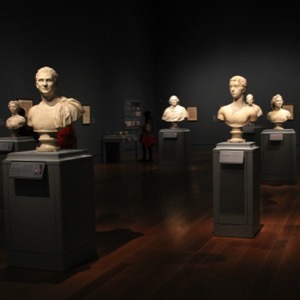
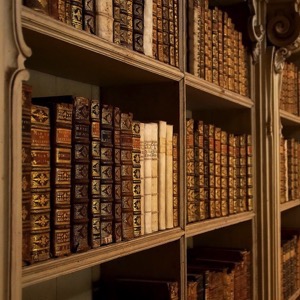
The museum manages extensive archaeological, historical, artistic, geological, zoological, entomological and botanical collections. The museum includes a professional library and a museum café. The exhibition Our Germans, which presents the history of the German-speaking population on our territory, has been open since November 2021.
At our facility, we’re reviving traditional crafts and offer a wide range of products, such as chocolates, candles, and soaps. We create unique experiences for anyone interested in handmade crafts and art. Come be inspired and try out our products.