We run a municipal museum. The museum offers several thematically divided expositions in four rooms, including the history of the farm and crafts carried out in the village.
The Regional Museum offers visitors an insight into the history of the region located on the edge of Haná. The museum also includes a museum workshop. The exposition of the museum is gradually created from historical objects donated by the inhabitants of the region or former natives.
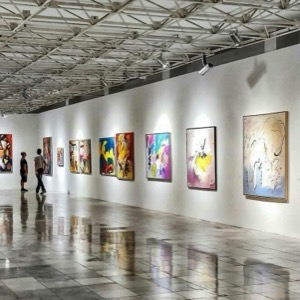
Running a regional museum offering displays on ethnography, nature, pottery and local history. There are three exhibition halls. We also organise concerts and exhibitions.
In the museum you can see many interesting exhibits such as documents from the history of the fire brigade, two-wheeled and four-wheeled fire engines, fire engine of the company Wikov, all kinds of firemen's helmets, chief's axes, period firemen's uniforms, trumpets and historical banner of the XI. county of Prostějov from 1927.
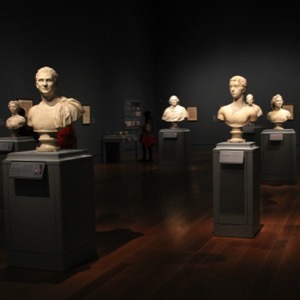
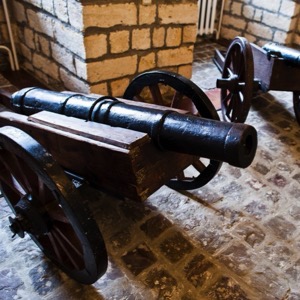
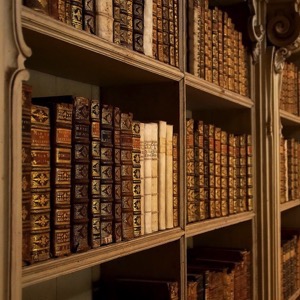
The museum's collection contains evidence of the permanent settlement of the territory of today's Kojetín and from the Paleolithic period, examples of folk art, costumes, folk pottery, a rich numismatic collection, an extensive collection of old prints, handicraft tools, historical weapons, works of art and much more.
We offer tours of a declassified bunker from the 1970s. The former military facility served as a strategic telephone exchange. It used to house communications cables. The flagship cable was designed to carry up to 1,920 calls at a time and provide communication between Warsaw Pact countries in wartime. The building was top secret.
We are a modern visitor centre of the White Carpathians Protected Landscape Area. There is a shop with regional products. You can take a look at the interactive exhibition and learn about the attractions of the White Carpathians.
An exceptionally well-preserved water-powered cylindrical mill on the Olšava River, featuring its original machinery and milling mechanisms. A guided tour offers a glimpse into the lives and work of millers in the first half of the 20th century.
A unique collection of horse hooves with various anomalies and afflictions. Also a collection of various types of shoes used in the treatment of various hoof diseases. Behind the glass a collection of horse's teeth at different ages - the age of the horse can be determined by the age of the teeth.