Organization of exhibitions. The museum's professional interest in the field of ethnography, especially in folk art, the history of handicraft and mechanical weaving and dyeing, emigration, and cultural, social and artistic life defines its position in the Frenštát region.
The Birthplace of František Palacký offers a permanent exhibition dedicated to the life and work of this important historian and politician, together with the history of the village of Hodslavice, where Palacký was born.
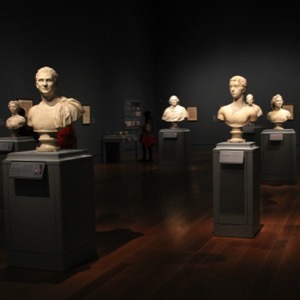
We operate a museum. There is a historical costume, two sculptures by Jan Knebl (a bust of the writer Bohumír Četyna, an allegory of the economic crisis) and a 1930 Wallachian crib by Josef Knězek.
The museum's exhibitions remind us of the ancient times and especially of the inhabitants who lived in the vicinity of Kotouč Hill. They can also walk through the replica of the Arrow Cave, which is a copy of a real cave located just outside the museum. Gallery exhibitions will be held on the floor above the permanent exhibition.
The Slovak Strela Depository is a unique place where the legendary Slovak Strela engine set is exhibited. It can be found opposite the entrance to the Tatra Truck Museum in Kopřivnice.
We operate a museum with an exhibition on craftsmanship in the town and its surroundings. There is, for example, an ethnographic collection containing embroideries of Zuber women and parts of women's and men's costumes from the late 19th century to the present. We also organise short-term exhibitions.
The museum organises exhibitions, expositions and cultural events, operates specialist workplaces, publishes publications and provides information about the history and cultural heritage of the Novojičín region.
Cetrat is an experimental workplace where traditional, often extinct production methods of processing natural materials are researched and reconstructed, and the outputs of this research are presented through exhibitions, thematic programmes and publications.
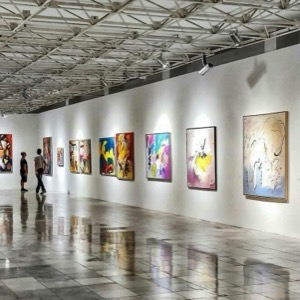
We operate a museum. There is a permanent exhibition about the nature and history of the village, the life and work of Josef Kalus and last but not least seasonal exhibitions of contemporary artists, craftsmen, collectors and others.