The chateau horticulture with greenhouses, situated in the south-western part of the chateau grounds, is an integral part of this complex built since the 1860s.
Historical monument located in the picturesque village of Býkovice. Come and see the unique working upper water mill. You will take part in the actual grinding of grain with expert commentary by the miller. You will see the whole mill, but also the water wheel and the whole mill in operation.
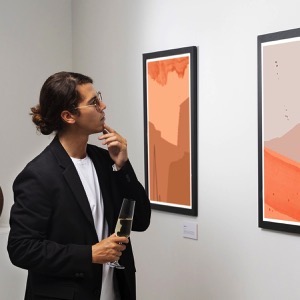
The regional gallery focuses on the presentation of contemporary art and the work of painter Josef Jambor. The collection of his works is presented within its own programme or on loan to other institutions. It supports young and medium-sized artists with an emphasis on the phenomenon of landscape. Offers exhibitions, educational and community programs.
The Arnold Villa is one of the oldest gems among Brno’s villas; its origins date back to 1862, when it was built according to a design by Brno architect Josef Arnold. The second-oldest house in this area is located next to the famous Tugendhat Villa and the Löw-Beer Villa. We look forward to your visit.
We offer guided tours of Villa Tugendhat, a UNESCO World Heritage Site. The interiors are equipped with exact replicas of the original furnishings. There is an exhibition presenting the architect, the builders and the life of the family, as well as a study and documentation centre.
Jurkovič's villa is one of the most important architectural monuments of the turn of the 19th and 20th century in Brno. You can visit the villa during guided tours, which take place every hour.
Gallery presents mostly modern and contemporary art. There are solo exhibitions and also a private collection of artists. Organizing exhibitions of Czech artists. Operation of a permanent exhibition. Works by artists such as Michal Gabriel, Vladimír Kopecký, Václav Boštík, Martin Zálešák, Eliška Rožátová and others.
The three-chambered ossuary in the basement of St James's Church was probably built in the 17th century. After filling, the ossuary with the remains of approximately 50,000 dead was closed and eventually forgotten. It was only rediscovered in 2001 as part of the exploration of the Brno underground.