The monumental building from 1898 in the historicist style has been the seat of the Liberec Museum since the beginning, which after a recent reconstruction offers playfulness, interactivity and involvement of the whole family. Touch copies of art objects, make your own coin, listen to the voices of birds or listen to an orchestrion.
The house dates from the second half of the 17th century and is one of the oldest buildings in Jablonec nad Nisou. The building was saved by Franz Rieger, who raised money for reconstruction. Today the house is the seat of the civic association Porozumění-Verständnis. Exhibitions are held here and German classes are held.
The information centre is located in the House of Jana and Josef V. Scheybal's house, which also houses the MY Municipal Gallery and the attic exhibition space.
A permanent exhibition hall open all year round, which hosts exhibitions of fine art, regional cultural history and local history in the Scheybal House of Ethnographers.
Add photo
Operation of a cultural facility including a puppet stage. The ensemble is mainly focused on playing with marionettes, i.e. puppets on strings, although the ensemble is no stranger to playing with other types of puppets. The troupe focuses only on children's audiences, i.e. mainly on fairy tales for preschool and school-age children.
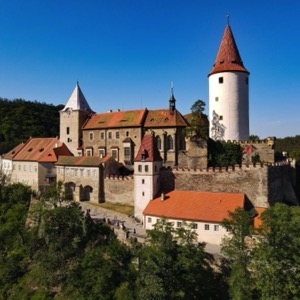
The ruins of Frýdštejn castle is one of the three castles of the Jablonec district. The first mention dates back to 1385. The castle was written about in Karolina Světlá's book "About Krejčíkovic Anežka". The ruins of the castle were used for filming the movies About Princess Jasněnka and the Flying Shoemaker and Murder in Our Own Way.
The civic association runs a museum of traditional rural life, crafts and agriculture in the outbuildings of an 18th-century house. We strive to take care of the historical and cultural heritage in the Liberec region and especially in the Frýdlant region. There is a preserved black kitchen in the museum.
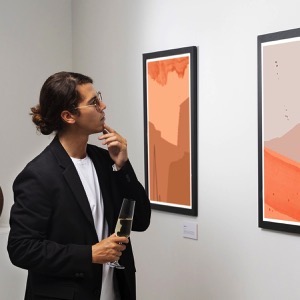
Museum operations. Organizing exhibitions of photographs, paintings, tapestries, sculptures. The permanent exhibition contains period objects, photographs and maps, presents the historical development of the town, points out interesting places and buildings, commemorates important personalities.