A place for both fun and work. A museum of horseshoes and hand tools for shoemakers, saddlers, bagmakers, and upholsterers. A workshop for woodworking classes. The Truhlárna Music Club.
Operation and management of a baroque garden. The garden is open to the public April - October, beautiful view of Prague. We organize weddings, social events, concerts, corporate presentations and parties including catering in a pleasant environment.
We organize exhibitions, concerts, festivals, wedding ceremonies and other cultural and social events for the public and private company. We offer for rent representative historical premises suitable for corporate meetings, press conferences, seminars and other events.
We operate a museum in the building of the Franciscan monastery with a mineralogical collection and exhibits from the history and life of the monastery in three exhibition areas. We organize lectures and events for visitors and schools. The monastery includes gardens with a vineyard, animals and refreshments.
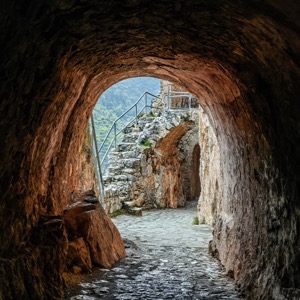
We operate the premises and provide cave tours. The Koněprusské Caves are located in Central Bohemia, seven kilometres south of Beroun in the protected area of the Bohemian Karst Protected Landscape Area, near the castles of Křivoklát and Karlštejn. They were discovered in 1950 and opened to the public in 1959.
The House of Nature of the Bohemian Karst is designed not only to serve as an entrance area to the Koněprus Caves, but also to meet all the needs of visitors and to provide sufficient facilities for the staff of the Koněprus Caves Administration.
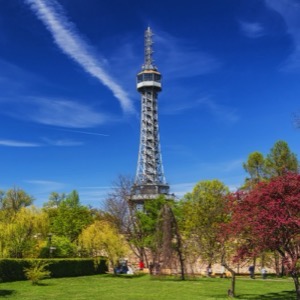
Operation of a lookout tower on Town Mountain. Sale of commemorative postcards. The tower is 13 metres high and has 66 steps leading up to it with circular views over the town.
Offering an exposition of the Bohemian Karst, its nature and first settlement and the history of crafts of Beroun. Possibility to visit the exposition of the painter Jan Václav Spitzer.
Permanent exhibition dedicated to the history and architecture of the Pilsen Gate and the entire fortification of Beroun. The film Women of Fire was filmed here.
We run the Joachim Barrand exhibition. We exhibit a paleontological and geological collection of findings of primordial fauna. We focus on life and the countryside in the late 19th and early 20th centuries. There are pictorial materials, information panels, photo wallpapers and animal models. We offer programs for schools.