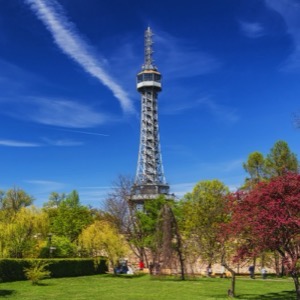
The tower is the only surviving remnant of the fortifications of the oldest part of the city. The tower is accessible with a guide, ticket office in the information centre.
We organize exhibitions, concerts, festivals, wedding ceremonies and other cultural and social events for the public and private company. We offer for rent representative historical premises suitable for corporate meetings, press conferences, seminars and other events.
Operation and management of a baroque garden. The garden is open to the public April - October, beautiful view of Prague. We organize weddings, social events, concerts, corporate presentations and parties including catering in a pleasant environment.
Discover the world of historic motorcycles and tractors in our museum. More than 500 exhibits await you, including 260 motorcycles, 90 tractors and other unique machines and equipment. Come and enjoy an unforgettable ride into the past. We look forward to seeing you.
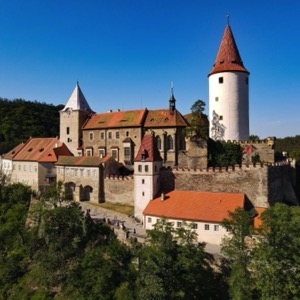
The museum presents visitors with exhibitions and displays, workshops for children and adults, a park with sculptures and rare trees. The castle was the location of the film The Queen's Game. We also exhibit the studio of Zdenka Braunerová. We organize cultural and social events. We carry out conservation and restoration of monuments.
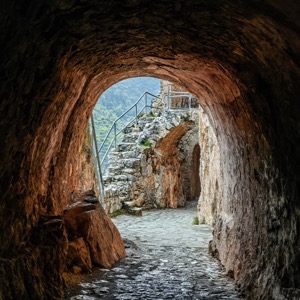
We allow you to visit a rock dwelling carved into a sandstone rock. It is a whole farm with a room, hall, barn, cellar and granary. There is also a butcher's shop and other small outbuildings.
We operate an exhibit dedicated to the history of Charles Bridge and the events and personalities associated with it. There is a museum café. We are happy to arrange tours of the Museum for schools. It is possible to visit the Museum Café. We sell gift vouchers for the Venice of Prague cruise and a visit to the Charles Bridge Museum.
We offer a demonstration of a village dwelling, an exhibition of agricultural or handicraft tools and the history of mills and milling in the region. The fairy tale Rumplcimprcampr was filmed on the farm. We publish a museum quarterly. We organise social and cultural events.
A place for both fun and work. A museum of horseshoes and hand tools for shoemakers, saddlers, bagmakers, and upholsterers. A workshop for woodworking classes. The Truhlárna Music Club.
History of Belsk to the 19th century. The museum was founded at the turn of 1906 and 1907. It was preceded by years of hard work by many amateur and professional enthusiasts, researchers and Czech patriots who had been active in the region since the 19th century.