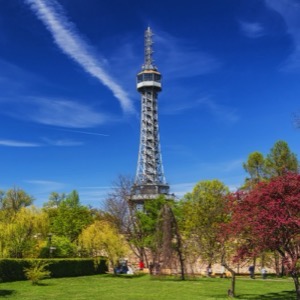
The tower is the only surviving remnant of the fortifications of the oldest part of the city. The tower is accessible with a guide, ticket office in the information centre.
Pavel Kozisek's Museum of Fantastic Illusions is a fascinating world of unreal optical illusions. A guarantee of perfect entertainment for all, regardless of age. A unique experience, take cool photos and funny videos. More than 150 interactive and entertaining exhibits. Museum of trick illusions.
Discover the world of historic motorcycles and tractors in our museum. More than 500 exhibits await you, including 260 motorcycles, 90 tractors and other unique machines and equipment. Come and enjoy an unforgettable ride into the past. We look forward to seeing you.
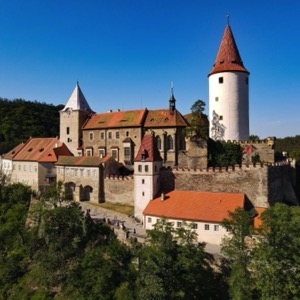
The museum presents visitors with exhibitions and displays, workshops for children and adults, a park with sculptures and rare trees. The castle was the location of the film The Queen's Game. We also exhibit the studio of Zdenka Braunerová. We organize cultural and social events. We carry out conservation and restoration of monuments.
We offer a demonstration of a village dwelling, an exhibition of agricultural or handicraft tools and the history of mills and milling in the region. The fairy tale Rumplcimprcampr was filmed on the farm. We publish a museum quarterly. We organise social and cultural events.
History of Belsk to the 19th century. The museum was founded at the turn of 1906 and 1907. It was preceded by years of hard work by many amateur and professional enthusiasts, researchers and Czech patriots who had been active in the region since the 19th century.
We organize exhibitions, concerts, festivals, wedding ceremonies and other cultural and social events for the public and private company. We offer for rent representative historical premises suitable for corporate meetings, press conferences, seminars and other events.
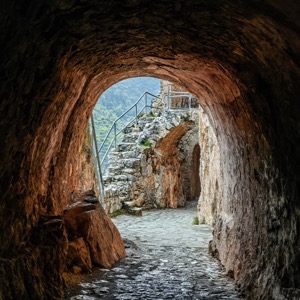
We allow you to visit a rock dwelling carved into a sandstone rock. It is a whole farm with a room, hall, barn, cellar and granary. There is also a butcher's shop and other small outbuildings.
In the memorial you can visit the memorial area, the Memorial to Children Victims of War, the museum with a multimedia exhibition, the Rose Orchard, the Lidice Gallery with a unique collection of art and the Rose Orchard. We organise cultural and educational programmes, the International Children's Art Exhibition Lidice and short-term thematic exhibitions.
The Stone House is a veritable treasure trove of Kutná Hora’s art and craftsmanship. Visitors can explore the reception rooms of the town’s bourgeoisie as well as the kitchens. A highlight of the visit is the descent into the two-story Gothic cellars with their lapidarium. Here, you can also enjoy the game “The Hidden Dowry,” inspired by KCD II.