The new exhibition will link Dvořák's music with the genius of his birthplace. The innovative exhibition will present the environment of the Central Bohemian village as it looked in the mid-19th century, when Dvořák was growing up there. Great emphasis is placed on the sound and, of course, on the music.
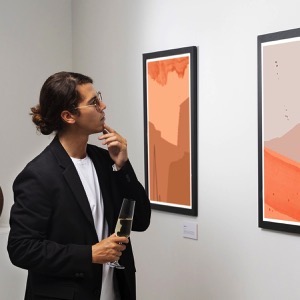
The gallery specializes in the presentation of Czech art. In the hall of the former chateau riding hall we offer a permanent exhibition of Czech modern art from the beginning of the 20th century, we also organize temporary exhibitions. We organize lectures, concerts and art courses for schools, children and adults.
One of the main goals of the whole project is to promote the fortress in a popular way. The visitor should get to know it as a living and functioning entity.
In the building of the former municipal weighing scale there is a permanent exhibition dedicated to the deportations of Jews to Terezín and the deportations from the Terezín ghetto to the labour camps and especially to the extermination camps. The exhibition is not open all the time and can only be visited by appointment.
Rotunda restored in 1126 by Prince Soběslav I and consecrated by Bishop Jindřich Zdík of Olomouc. The dynamic building with a cylindrical tower is a unique achievement in Europe.
Discover the forgotten story of the town and the fortress. Explore fortification models, historical plans, paintings and centuries-old finds that will show you this city full of life and the fate of specific people. The local museum will guide you through the story of the fort from its founding to the early 20th century.
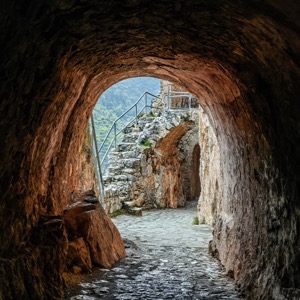
Discover the ingenuity of the builders and defenders of our fortress. Explore the labyrinth of underground passages and discover its purpose. The tour will take you to places you wouldn't otherwise see. Venture into the mysterious underground by lantern light.
This part of the Terezín fortress system from the end of the 18th century served as a prison already in the times of the Habsburg monarchy. Among the prisoners at that time was, for example, Gavrilo Princip, the main executor of the assassination of the heir to the throne, F.F. d'Este, in Sarajevo in 1914.
Pátek Castle was originally a summer palace built between 1544 and 1557 by John the Younger of Lobkowitz, one of the richest noblemen in the Czech Kingdom. It is one of the first purely Renaissance buildings in Bohemia. Towards the end of the 17th century it was rebuilt in Baroque style and surrounded by a farmyard.