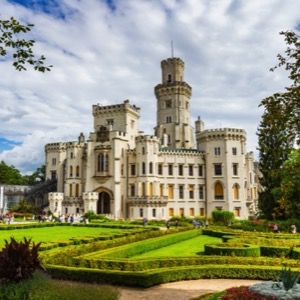
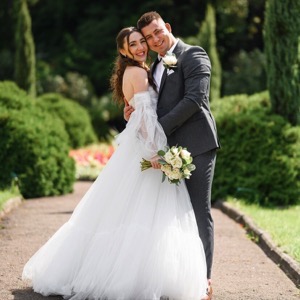
We organize castle tours. We sell souvenirs. The film The Gambler was filmed on the premises. We also offer tours for children and schools. We organize cultural events and wedding ceremonies.
A few kilometres from the village of Krásno, in the middle of the Slavkov Forest, stands one of the most remarkable lookout towers in the country. The unique shape of the twenty-five-metre tower, whose spiral staircase winds unusually around its outer perimeter, may remind you of a Babylonian ziggurat.
The museum's exhibition documents the history of the spa town from the time of the discovery of the Francis Spring to the 20th century, local architecture and the development of balneological methods. Among many other things, visitors can see historical views of the spa, the wooden seduction of the Francis Spring from the mid-18th century.
We run a museum. You will learn about the history of the town and its surroundings, as well as where the town got its name and why the three lianas appeared in the town's coat of arms. Part of the exhibition is dedicated to the history of the former owners of the Aach-Neuberg estate, the Lords of Neuberg and Zedtwitz, and the religious situation in the region.
Come discover the fascinating world of elephants in a unique museum that is home to one of the largest collections of elephants in the world, a Czech record holder, and Record Holders Republic (United States) as the largest collection of elephant figurines. The collection numbers thousands of exhibits from different materials and parts of the world.
We operate a modern visitor centre in a specially protected area, open to the public. It includes a permanent interactive exhibition about the nature and landscape of the protected area in the interior and exterior. We provide educational and training programs and tourism information.
We offer tours of the castle. Between 1585-1597 a Renaissance chateau was built in the valley below Kynzvart Castle. Possibility of organizing weddings.
Visitors are presented with a gradually formed whole of peasant interior furnishings, domestic, artisanal or agricultural tools and implements as well as small agricultural mechanization in the time frame from the second half of the 19th century to the present.