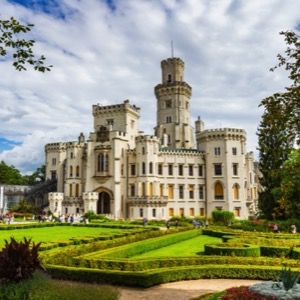
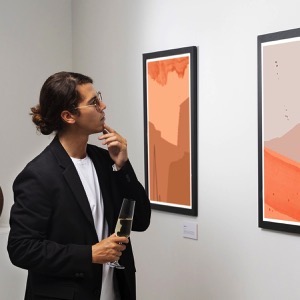
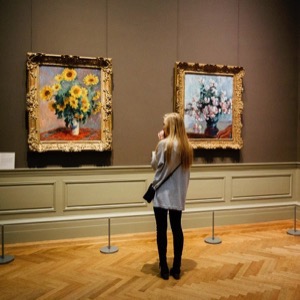
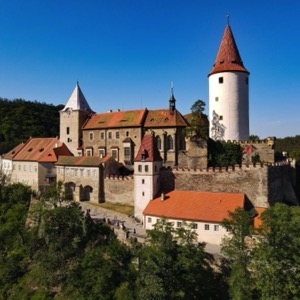
We organize exhibitions, concerts, festivals, wedding ceremonies and other cultural and social events for the public and private company. We offer for rent representative historical premises suitable for corporate meetings, press conferences, seminars and other events.
Port 1560 is the site of a former manor brewery where art, history and brewing meet. It offers permanent interactive exhibitions, tours of the historic and existing brewery and gallery exhibitions.
We operate a museum in the building of the Franciscan monastery with a mineralogical collection and exhibits from the history and life of the monastery in three exhibition areas. We organize lectures and events for visitors and schools. The monastery includes gardens with a vineyard, animals and refreshments.
Štáblovice Castle has more than 500 years of history and is one of the places with a unique atmosphere. After a long and sensitive reconstruction, it is now open to the public again. Visitors can learn about its history, architecture and the stories of the noble families who lived here during tours.
We run a literary museum. We provide protection of museum collections. We acquire, permanently preserve, process and make accessible collections of documents on the development of literature in the Czech lands.
We offer expositions of Gothic wall paintings from the 15th century, Flowers on the Nobleman's Mansion, Ceramic Nativity scene: Life in the Village and the Jan Havlik Gallery at Žirovnice Castle. The tour times can be found on the website.
Regional Museum, whose founder is the South Bohemian Region. The world's unique museum is Krýz's crib, the largest folk mechanical nativity scene in the world, which has been listed in the Guinness Book of Records since 1998. Other equally interesting exhibitions include the Emma Destinn Hall and the Battle of Jindřichův Hradec Králové.
The museum depicts the life of small artisans during the 19th century. Today you will see the dwellings of a weaver, a toy maker and a factory worker with a shoemaker's workshop. Since the end of 2018, the museum is part of the National Museum of Nature.
The Wittal family’s functionalist villa was built in 1932 based on a design by architect Heinrich Blum. Over time, the Wittal family home became the residence of Nazi officers, later of Communist city officials, and eventually an apartment building. The villa is currently awaiting a complete renovation.