Operation of the Museum of Victims of Communism and History of Uranium Mining. Former prisoner of war camp serving as a museum of victims of communism. The exhibitions introduce the persecution after February 1948, the anti-communist resistance and the history of uranium mining.
The Mariánská Štola, 532 metres long, was built between 1869 and 1870 and opened to the public in 1994. Visitors are introduced to the history of the adit and the work of the old miners in the unaltered form of the preserved brick and stone lining of the adit's ovoid profile, as well as a demonstration of the mine's workings.
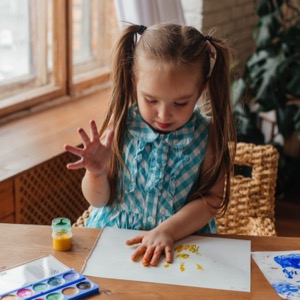
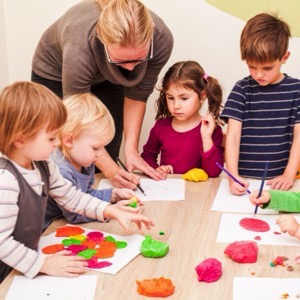
We organize extracurricular activities, classes, competitions, occasional events and summer and winter camps. We offer the opportunity to attend sports, language, dance, music, movement or art groups.
Operation of a mining museum with an extensive display of collections on the history of mining. Organisation of exhibitions and performances. The exhibitions are located in historical operational and administrative buildings. The museum offers a ride on a mining train on the surface and underground, tours of several kilometres of tunnels and a ride on a slide.
Operation of a mining museum with an extensive display of collections on the history of mining. Organisation of exhibitions and performances. The exhibitions are located in historical operational and administrative buildings. The museum offers a ride on a mining train on the surface and underground, tours of several kilometres of tunnels and a ride on a slide.
Operation of a mining museum with an extensive display of collections on the history of mining. Organisation of exhibitions and performances. The exhibitions are located in historical operational and administrative buildings. The museum offers a ride on a mining train on the surface and underground, tours of several kilometres of tunnels and a ride on a slide.
Operation of a mining museum with an extensive display of collections on the history of mining. Organisation of exhibitions and performances. The exhibitions are located in historical operational and administrative buildings. The museum offers a ride on a mining train on the surface and underground, tours of several kilometres of tunnels and a ride on a slide.
The museum is located in the building of the former Jewish synagogue. Thanks to the local native V. Mentberger, it has managed to gather collections of tin, cast iron, porcelain, faience, stoneware, as well as German, French, Italian and Spanish ceramics, as well as a collection of local pottery, pipe making and Kasey embroidery.
Mineral Museum with a comprehensive collection of minerals from Šumava and Pošumava. The collection of mineral finds of one collector has been exhibited for 12 years, in the small entrance shop you can buy minerals, books and jewellery.
The Prácheň Museum has been housed in the historic building of the former royal castle since 1902. The museum represents the cultural and natural heritage of the Prague Region and Písek. The museum also includes a professional library, a museum shop and an accompanying programme of lectures and events for the public.