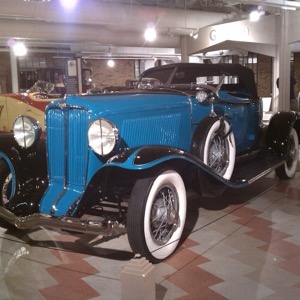
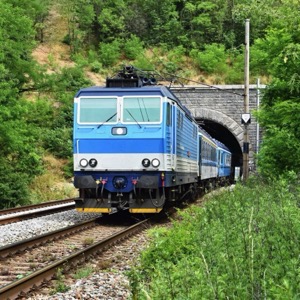
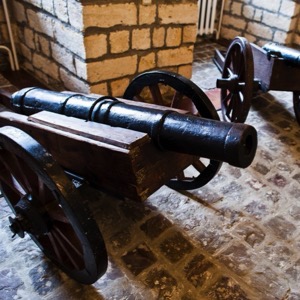
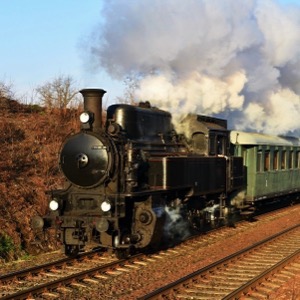
The museum focuses on artillery, missile and heavy combat equipment. There are tanks, cannons, motorcycles, armoured vehicles, trucks and passenger military vehicles on display. Historically and temporally there are machines from 1890 to the present.
Operation of a permanent exhibition of postage stamps, philatelic uniques, forgeries and specialized collections. Organization of occasional exhibitions of stamp art. On display are the oldest stamps of European and non-European countries, UN stamps and cancellations.
We run a museum. The museum includes a historical, ethnographic, natural history exhibition and a former monastery refectory with a life-size sculpture of the Last Supper. In the exhibitions a number of interactive elements for children and adults. We regularly organise various events, such as the Baroque Festival in July.
We operate a museum. 160 fully functional historical radios. 15 pieces of fully functional stable engines. Visits to the museum must be arranged in advance by calling the above telephone number.
The memorial commemorating the victims of the Holocaust of the Roma and Sinti is located on the authentic site where the Protectorate's so-called Gypsy camp operated between 1942 and 1943. The exhibition is dedicated to the period 1940-1950, when various types of camps, including the so-called Gypsy camp, internment camp and TNP, were established on the site.
There are three exposures. A residential lighthouse that recalls early 19th century living. Next, a merchant's shop, where visitors can learn about the range of goods sold at the time, and a black kitchen. The end of the exposition recalls the life and work of Dobruška's most popular personality.