In the museum you can see exhibits related to the history of Potštát and its surroundings, from the time when Potštát belonged to the Walderode family until the end of the 20th century. The fate of the inhabitants of Potštat and the surrounding villages was fundamentally influenced by the displacement of the German population after World War II and the establishment of the Libavá military area.
Operation of a museum. There is a permanent exhibition of folk painted furniture from South Bohemia and an exhibition Fish and People, Rosenbergs and Pondkeepers in South Bohemia and Waldviertel.
Offer tours of the castle interiors and the castle park. The castle was the setting for the films How Poets Taste Life, The End of Days and The Fairy Arnostka. The oldest written mention of Krásný Dvůr is from 1295, when Vilém of Krásný Dvůr is mentioned. It is possible to organize wedding ceremonies.
Tours of the castle complex. Nové Hrady Castle was built on a promontory surrounded by the Stropnice River and the Novohradský Brook probably in the first 13th century. It is possible to organize weddings.
Offering tours of the original Renaissance castle and castle park. An interesting part of the castle is the chateau chapel, cellars and library. Possibility of organizing weddings.
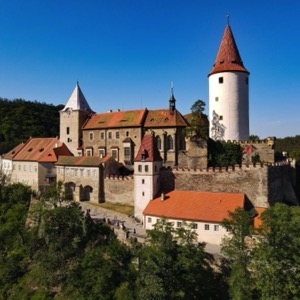
Operation of a historic castle open to the public with guided tours and permanent exhibitions dedicated to the history of the building and important personalities. It includes cultural and social events, exhibitions and programmes for visitors.
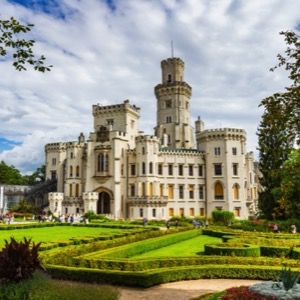
The chateau was built as a castle in the middle of the 13th century, the extensive Renaissance reconstruction was carried out in the 17th century by the Novohradský family from Kolovrat. The oldest preserved part of the castle is the Vlček Tower. The last major reconstruction was carried out after the extensive fire of the Upper Castle in 1857.
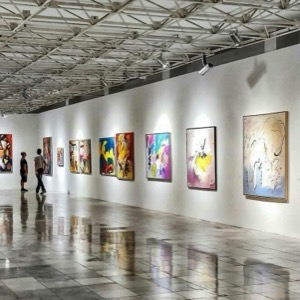
We offer a permanent exhibition of Jaroměř natives and a sample of Gočár's furniture making. We focus on organizing occasional historical and art exhibitions. Wheelchair access to the museum.
There are three exposures. A residential lighthouse that recalls early 19th century living. Next, a merchant's shop, where visitors can learn about the range of goods sold at the time, and a black kitchen. The end of the exposition recalls the life and work of Dobruška's most popular personality.